
SUPARCO Mission Hub: Pakistan’s First Human Spaceflight
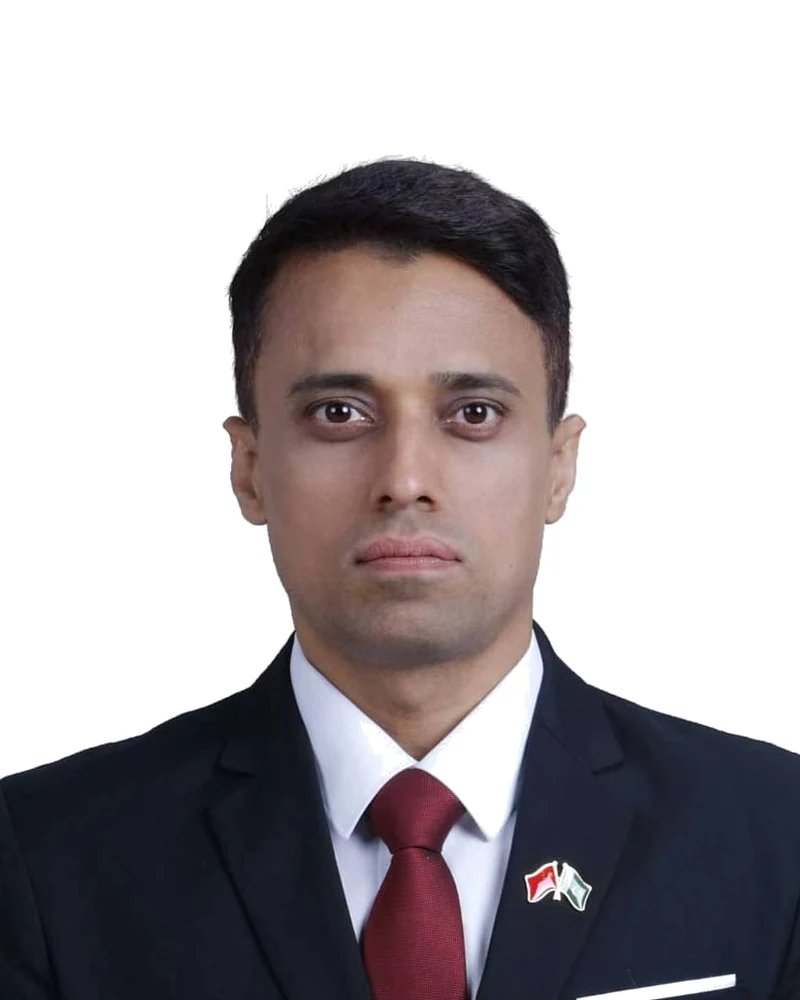
Muhammad Zeeshan Ali
- Historic milestone
- Pakistan’s First Astronaut Aboard China’s Space Station
- Spacecraft
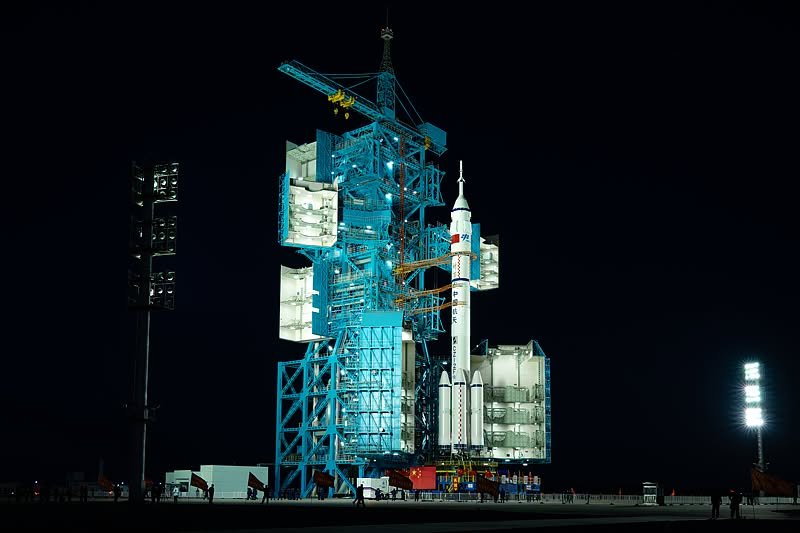
- Shenzhou-24
- Destination
- China Space Station (CSS)
- Mission role
- Payload Specialist
Biography
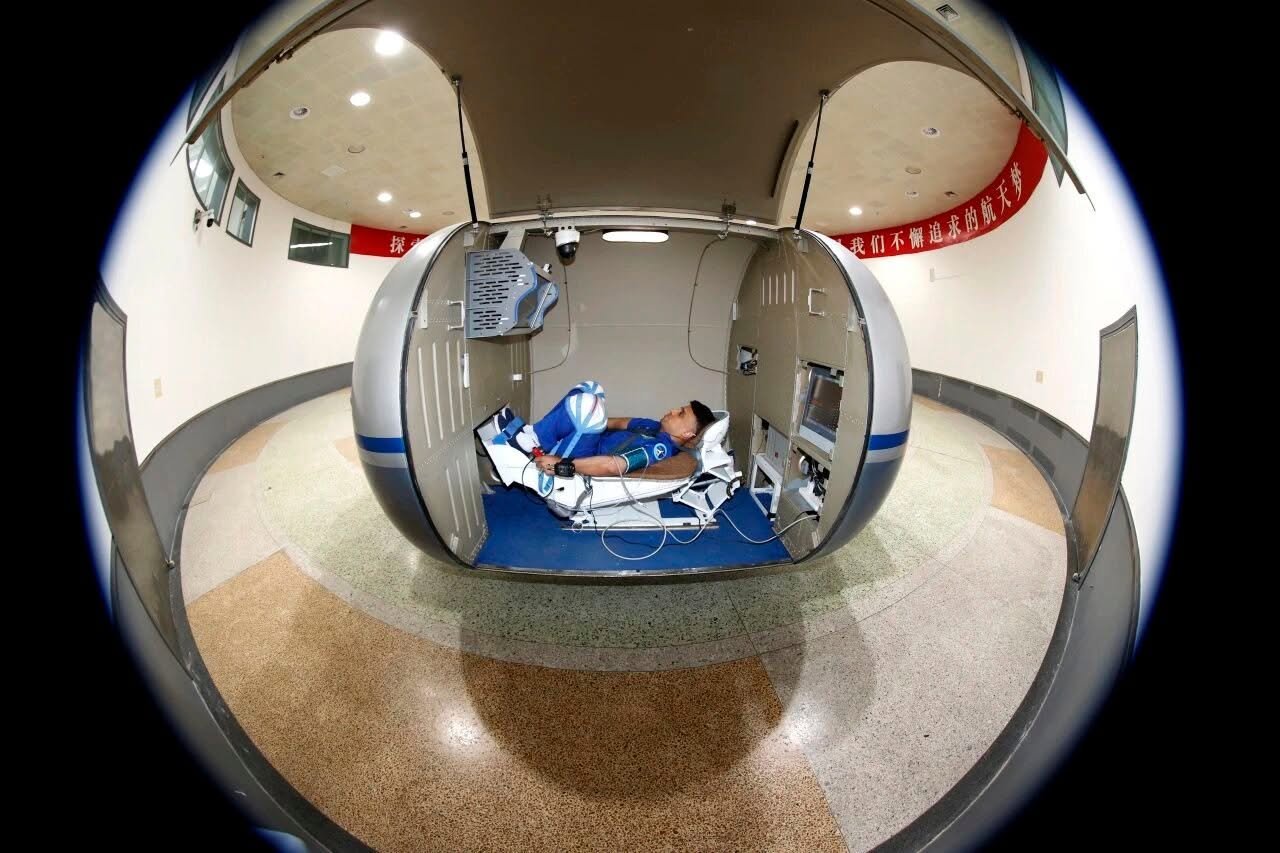
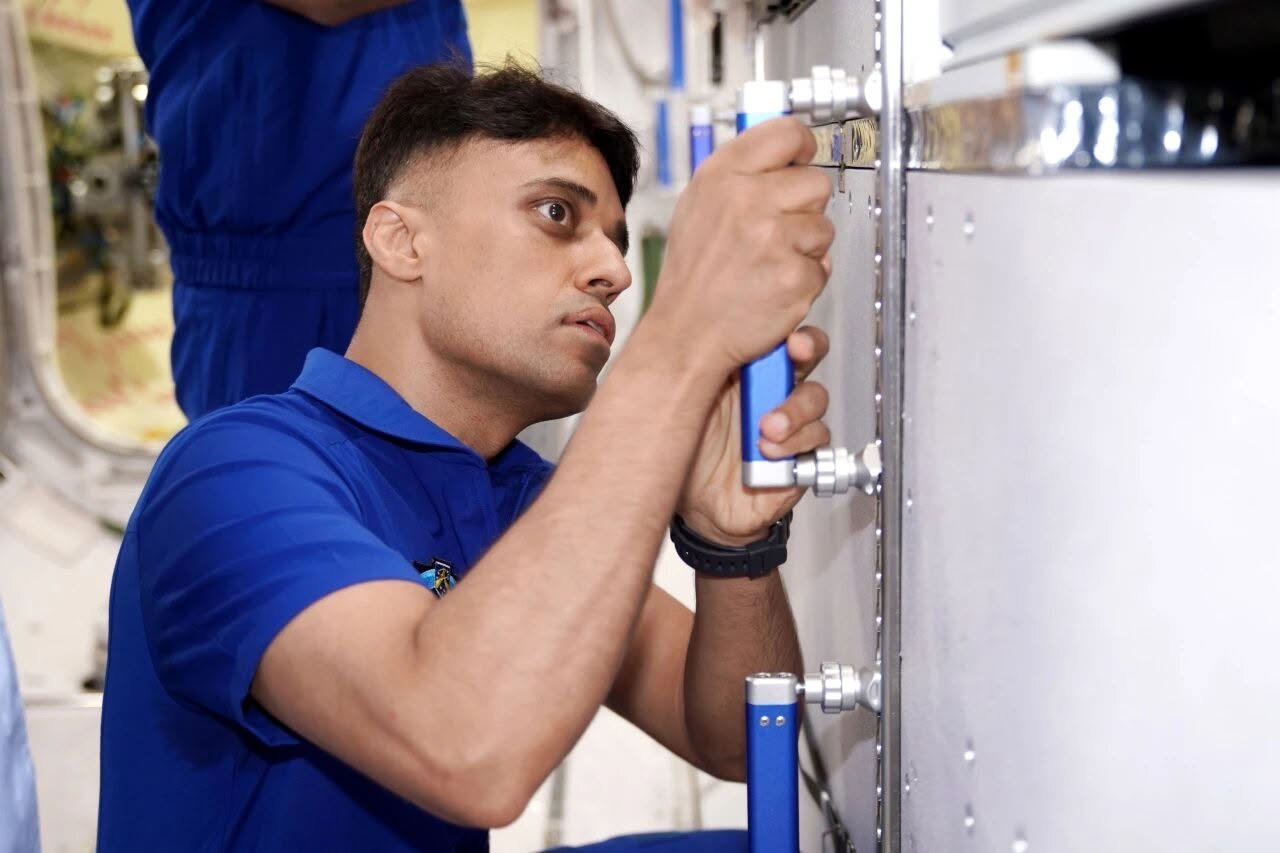
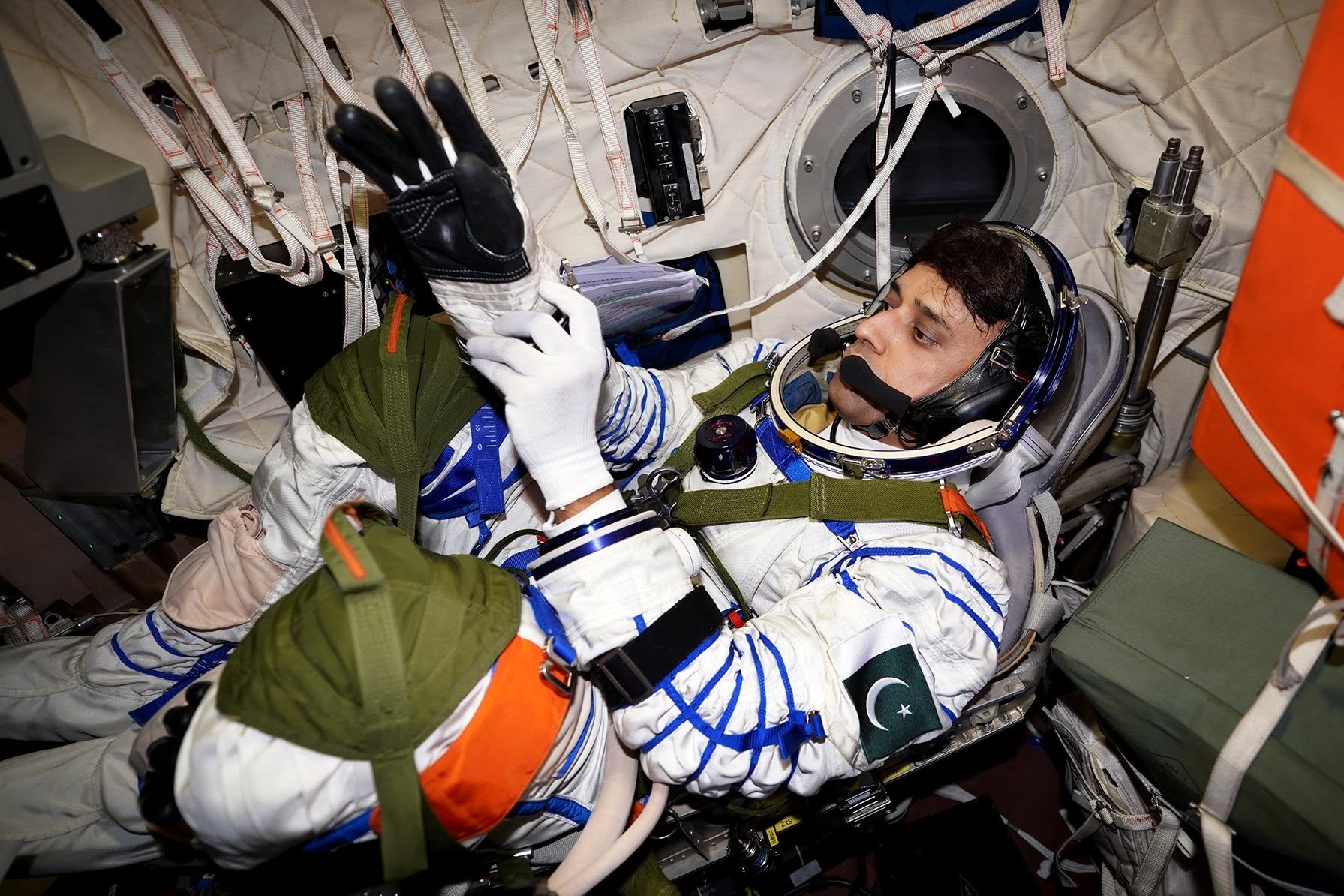
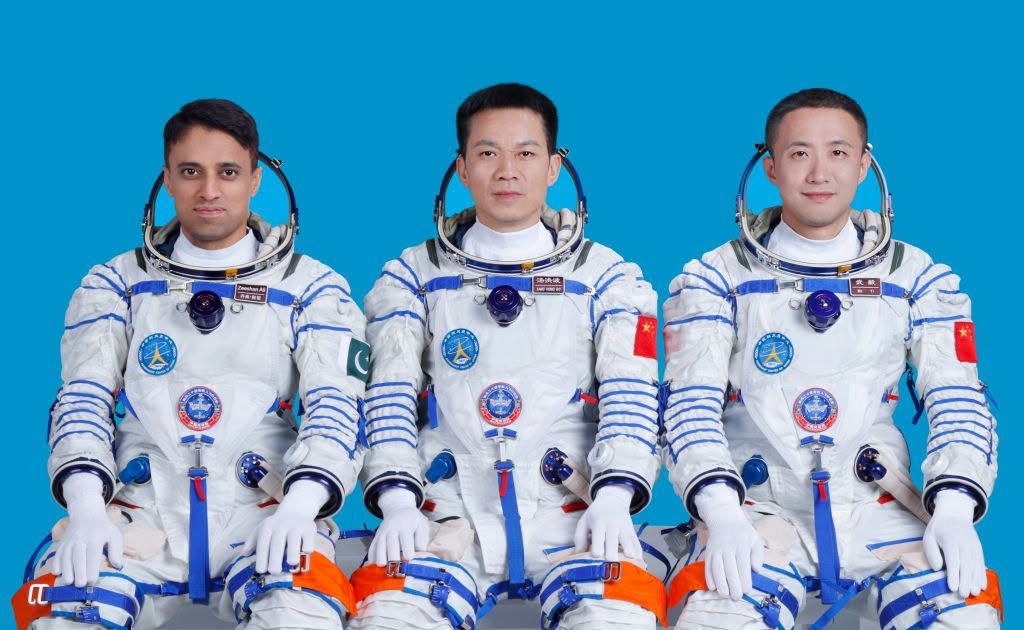
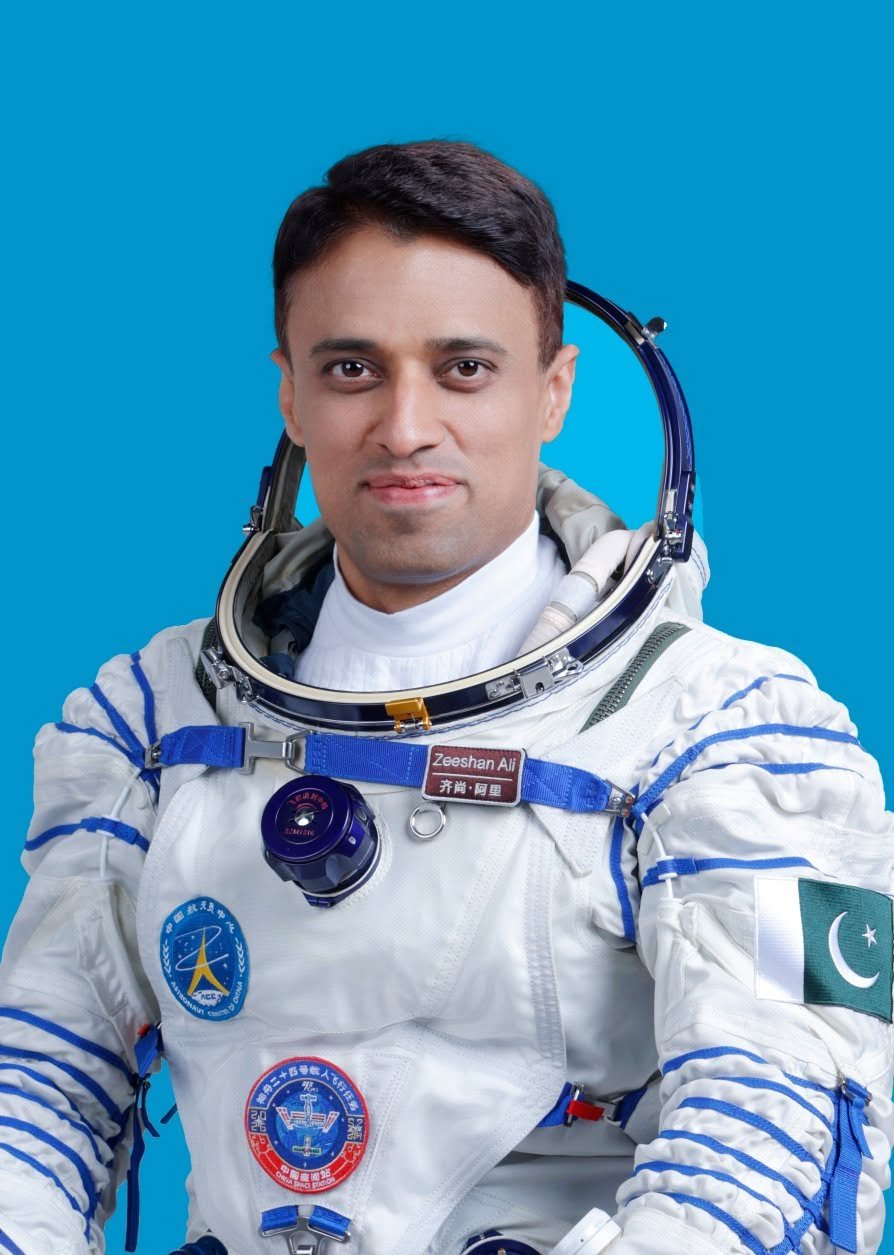
Muhammad Zeeshan Ali has been selected to become the first Pakistani astronaut to fly on an orbital space mission aboard China's Shenzhou-24 spacecraft. In April 2026, he traveled to the Astronaut Center of China, where he trained as a payload specialist alongside his Chinese counterparts.
This is an important milestone in Pakistan's path toward human spaceflight.
Experiments in Space
-
Hybrid Composite Shield
This research explores the development of lightweight graphene-based hybrid composite materials to enhance spacecraft protection against radiation while maintaining structural strength and reducing weight.
-
Self-Healing in Space
This project investigates self-healing carbon fiber composites that can automatically repair micro-cracks, improving spacecraft durability, structural integrity, and long-term performance in space.
-
Quinoa Beyond Earth
This research examines the effects of microgravity and cosmic radiation on quinoa seed longevity, genetic characteristics, and nutritional quality to explore its potential as a sustainable food source for future space missions.
-
Green Life Beyond Earth
This project explores the cultivation of microalgae and cyanobacteria in space to support sustainable life-support systems through oxygen regeneration, CO₂ removal, and potential food production.